
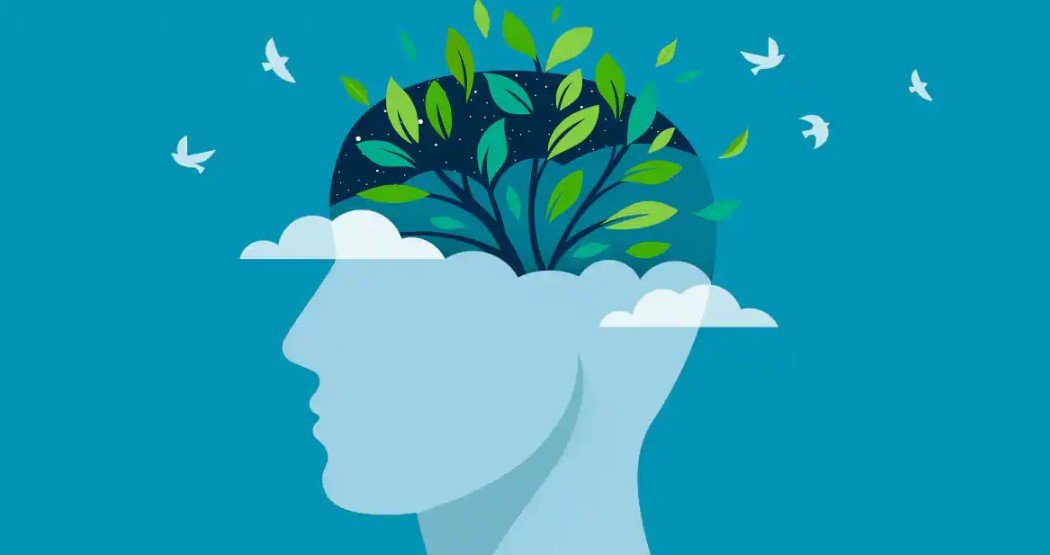

Mental health is a cornerstone of overall well-being, yet it often receives less attention than physical health. In the fast-paced rhythm of modern life, stress, anxiety, and burnout can easily take a toll on emotional and psychological balance. Prioritizing mental health is essential, and adopting daily practices can have a profound impact on resilience, happiness, and overall quality of life. While professional support is crucial when needed, incorporating simple daily habits can strengthen mental health and foster a more balanced mindset.
1. Practice Mindfulness and Meditation
Mindfulness involves paying attention to the present moment without judgment. This practice reduces stress, enhances focus, and cultivates emotional regulation. Meditation, even for five to ten minutes a day, can significantly calm the mind and improve self-awareness. Guided meditation apps, breathing exercises, or simply sitting quietly while focusing on your breath are effective ways to incorporate mindfulness into daily life. Over time, these practices enhance mental clarity and emotional resilience.
2. Maintain a Journaling Habit
Writing down thoughts and feelings is a powerful tool for mental health. Journaling allows you to process emotions, reflect on experiences, and identify patterns in thought or behavior. It can be as simple as noting daily gratitudes, tracking moods, or expressing challenges and victories. Regular journaling helps release mental tension, improves self-understanding, and can provide a sense of accomplishment.
3. Prioritize Physical Activity
Exercise is not just beneficial for the body; it has a direct positive effect on mental health. Physical activity releases endorphins, reduces stress hormones, and promotes better sleep. Whether it’s walking, jogging, yoga, or home workouts, integrating movement into your day enhances mood, increases energy levels, and contributes to a healthier mind-body connection. Even brief sessions of exercise can have immediate mental health benefits.
4. Foster Social Connections
Human beings are inherently social creatures, and strong relationships are vital for mental well-being. Spending time with friends, family, or supportive communities can reduce feelings of loneliness and anxiety. Daily practices like checking in with loved ones, engaging in meaningful conversations, or participating in social activities can nurture a sense of belonging. Building and maintaining supportive connections provides emotional security and encourages positive mental health.
5. Practice Gratitude
Focusing on gratitude can shift attention from negative thoughts to positive experiences. Daily reflection on things you are thankful for—whether through journaling, verbal acknowledgment, or meditation—can enhance optimism, increase life satisfaction, and reduce stress. Expressing gratitude, even for small aspects of life, fosters resilience and a more balanced mental outlook.
6. Limit Screen Time and Social Media
While technology has many benefits, excessive screen time and social media use can negatively impact mental health. Constant exposure to news, comparisons, and digital distractions often leads to anxiety and decreased self-esteem. Setting boundaries, scheduling screen-free periods, or engaging in offline activities allows the mind to rest and reduces cognitive overload. Mindful use of technology ensures it supports well-being rather than undermines it.
7. Establish a Daily Routine
A structured daily routine provides stability, reduces decision fatigue, and promotes a sense of control. Establishing consistent sleep patterns, regular meal times, work schedules, and relaxation periods contributes to better mental health. Routines offer predictability, which can reduce stress and enhance productivity. Including intentional breaks for self-care within the routine reinforces a healthy balance between obligations and personal well-being.
8. Engage in Creative or Leisure Activities
Pursuing hobbies, creative outlets, or leisure activities supports mental health by promoting relaxation and self-expression. Activities like painting, music, gardening, cooking, or reading allow for stress relief and provide a sense of accomplishment. Engaging in enjoyable experiences daily nurtures creativity, sparks joy, and offers a healthy escape from routine pressures.
9. Practice Deep Breathing and Relaxation Techniques
Deep breathing exercises and relaxation techniques help reduce physiological stress responses. Practices like diaphragmatic breathing, progressive muscle relaxation, or guided visualization calm the nervous system, lower blood pressure, and improve mental clarity. Integrating these exercises into your daily routine—even for a few minutes—can help manage anxiety and promote overall mental stability.
10. Reflect and Set Intentions
Taking time each day for self-reflection and intention-setting fosters mindfulness and personal growth. Reflect on accomplishments, challenges, and areas for improvement, and set realistic goals for the day ahead. This practice encourages accountability, enhances focus, and strengthens self-efficacy. Daily reflection also reinforces positive thinking patterns, providing a foundation for emotional resilience.
Conclusion
Mental health is an ongoing journey, and incorporating daily practices can make a substantial difference in emotional well-being. From mindfulness and journaling to physical activity, social connections, and creative engagement, these strategies support a balanced and resilient mind. Small, consistent actions accumulate over time, helping reduce stress, improve mood, and enhance overall life satisfaction. Prioritizing mental health every day is not just about avoiding negative outcomes—it’s about nurturing a thriving and fulfilling life. By integrating these practices into your routine, you invest in long-term well-being, equipping yourself to navigate life’s challenges with greater ease, clarity, and positivity.
