
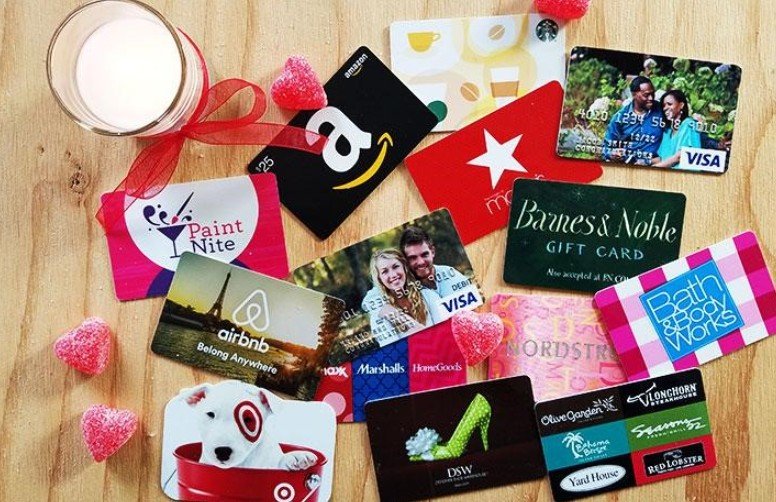

Giving and receiving gifts is a universal practice that transcends cultures, languages, and time. From birthdays and weddings to festivals and special occasions, gifts play an essential role in human connection. A gift, no matter how small, carries emotional weight. giftcardmall/mygift It expresses love, gratitude, care, and appreciation. But beyond the simple act of giving, gifts represent something deeper — they strengthen bonds, create memories, and bring joy to both the giver and the receiver.
The True Meaning of a Gift
A gift is more than a physical object wrapped in paper and ribbons. It is a gesture that conveys thoughtfulness and emotion. When someone gives a gift, they are essentially saying, “I care about you” or “You matter to me.” It reflects the relationship between two people — family, friends, or even colleagues.
In many cultures, gift-giving is also a form of communication. It helps express feelings that words sometimes cannot. For example, a bouquet of flowers can express love, sympathy, or congratulations, depending on the occasion. Gifts have their own silent language — one that speaks through meaning and sentiment.
The Psychology Behind Gift-Giving
There is an interesting psychology behind why people give gifts. Studies show that people feel happiness when they give to others. It activates parts of the brain associated with pleasure, social connection, and trust. This means that giving is not only beneficial for the receiver but also rewarding for the giver.
Gift-giving allows people to express themselves and demonstrate empathy. Choosing the right gift requires thought — understanding what the other person likes, needs, or values. This process deepens understanding and strengthens emotional bonds.
In many cases, people give gifts to build social relationships or to maintain them. For example, giving a colleague a small present during a holiday season may improve workplace relationships and show appreciation.
Types of Gifts and Their Significance
Gifts come in many forms — tangible and intangible. Tangible gifts include items such as jewelry, gadgets, books, clothes, and perfumes. Intangible gifts, on the other hand, include experiences like travel, concert tickets, spa sessions, or simply spending quality time together.
Each type of gift carries its own meaning:
- Personalized Gifts: Items customized with names, photos, or messages show deep thought and effort. They remind the receiver that they are special and unique.
- Handmade Gifts: Whether it’s a knitted scarf or a handwritten letter, handmade gifts hold emotional value because they involve time and personal effort.
- Luxury Gifts: These reflect appreciation and celebration, often given on important milestones such as weddings or anniversaries.
- Practical Gifts: These serve everyday purposes — like a watch, planner, or kitchen appliance. They show consideration for the receiver’s lifestyle and needs.
- Experiential Gifts: Experiences like a vacation or adventure activity create lasting memories, which many people value more than physical objects.
Ultimately, the “best” gift is one that suits the receiver’s personality and shows genuine care from the giver.
The Role of Gifts in Different Cultures
Gift-giving customs vary widely across the world, shaped by history, tradition, and social norms. In Japan, for instance, gift-giving is a formal and respected practice. Gifts are often beautifully wrapped, and the presentation is just as important as the gift itself. In China, the act of giving a gift often symbolizes respect, and certain items — such as clocks or sharp objects — are avoided because of their negative cultural meanings.
In Western cultures, gifts are typically given on holidays like Christmas, birthdays, and anniversaries, reflecting affection and celebration. In South Asian countries, gifts are central to festivals like Eid, Diwali, and weddings, where they represent blessings, love, and goodwill.
Despite these cultural differences, one thing remains the same everywhere — gifts symbolize care, connection, and appreciation.
Modern Trends in Gift-Giving
With the rise of technology, the art of gifting has evolved. Online shopping and digital gift cards have made it easier to send presents across the world. Personalized and eco-friendly gifts are also gaining popularity as people become more conscious of sustainability and individuality.
Experience-based gifts — such as cooking classes, travel vouchers, and wellness retreats — are also becoming more popular, especially among younger generations who value memories over material possessions.
Moreover, many people now prefer meaningful gifts — ones that tell a story or support a cause. For example, buying a handmade craft from a local artisan or donating in someone’s name has emotional and social impact.
The Joy of Giving and Receiving
One of the most beautiful aspects of gifts is the joy they bring. A smile, a tear of happiness, or a heartfelt thank-you — these moments are priceless. When you give a gift, you are sharing a part of yourself. It’s not the cost or the size that matters, but the love and intention behind it.
Similarly, receiving a gift gracefully is also an art. It involves appreciation and gratitude, acknowledging the thought and effort the giver has put into the gesture.
