
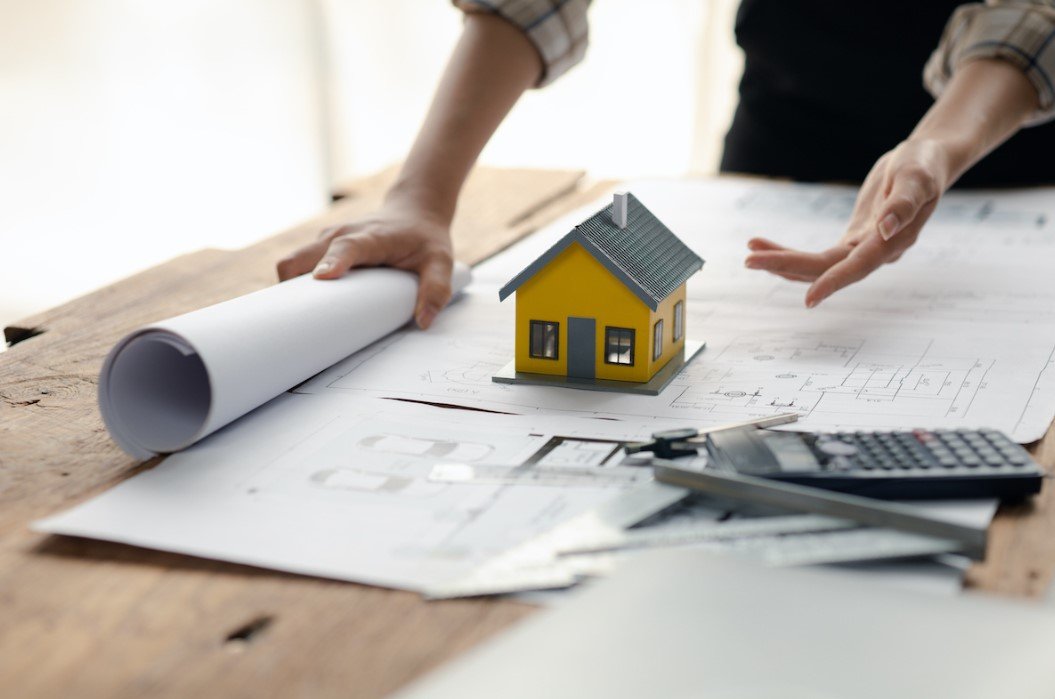

Building your dream home is one of the most exciting investments you can make, but it also requires careful financial planning. Many homeowners underestimate the expenses involved, leading to budget overruns and project delays. Understanding the Cost to build a custom home before construction begins allows you to make informed decisions, prioritize your needs, and avoid unexpected surprises.
Whether you’re planning a modest family home or a luxury residence, creating a realistic budget is the foundation of a successful project. This guide explains every major cost category, budgeting strategy, and money-saving tip to help you confidently plan your custom home.
Understanding the Cost to Build a Custom Home
The Cost to build a custom home depends on several important factors, including:
- Location and land prices
- Home size and layout
- Material quality
- Labor costs
- Architectural complexity
- Local permit and inspection fees
- Interior finishes and upgrades
Unlike production homes, custom homes are designed specifically for your lifestyle and preferences. This flexibility often increases costs but also provides greater long-term value.
Step 1: Determine Your Total Budget
Before contacting architects or builders, determine how much you can comfortably spend.
Your budget should include:
- Land purchase
- Home construction
- Site preparation
- Utility connections
- Permits
- Landscaping
- Furniture and appliances
- Emergency contingency fund
Financial experts generally recommend keeping an additional 10%–20% of your construction budget reserved for unexpected expenses.
Step 2: Purchase the Right Land
Land costs vary significantly depending on location.
Factors affecting land prices include:
- School districts
- Neighborhood demand
- Accessibility
- Soil conditions
- Utility availability
- Topography
A less expensive lot may require additional grading, drainage work, or utility extensions that increase the overall Cost to build a custom home.
Always perform land surveys and soil testing before finalizing your purchase.
Step 3: Design Your Home
Custom design represents a significant portion of your project.
Professional services may include:
- Architect
- Structural engineer
- Interior designer
- Landscape designer
Although hiring professionals adds upfront expenses, quality planning often prevents expensive construction mistakes later.
Simple layouts with fewer corners, rooflines, and structural challenges are usually more affordable to build.
Step 4: Understand Construction Costs
Construction typically consumes the largest share of your budget.
Major construction expenses include:
Foundation
The type of foundation depends on soil conditions and climate.
Options include:
- Slab foundation
- Crawl space
- Full basement
Complex foundations generally increase costs.
Framing
Framing creates the home’s structural skeleton.
Material prices fluctuate throughout the year, making framing costs one of the most variable parts of construction.
Roofing
Roof complexity affects pricing.
Simple roof designs are generally more economical than multiple peaks, dormers, and custom architectural features.
Exterior Finishes
Exterior materials may include:
- Brick
- Stone
- Stucco
- Fiber cement siding
- Vinyl siding
Premium materials improve durability but also raise the Cost to build a custom home.
Step 5: Budget for Mechanical Systems
Modern homes require several essential systems.
These include:
- Electrical wiring
- Plumbing
- Heating
- Cooling
- Ventilation
- Water heaters
- Internet wiring
- Smart home technology
Energy-efficient systems often cost more initially but reduce monthly utility bills.
Step 6: Plan Interior Finishes
Interior selections can dramatically influence your final budget.
Popular upgrades include:
Flooring
Choices include:
- Hardwood
- Luxury vinyl plank
- Tile
- Carpet
- Engineered wood
Kitchen
The kitchen is usually the most expensive room.
Major costs involve:
- Cabinets
- Countertops
- Appliances
- Lighting
- Plumbing fixtures
Bathrooms
Luxury showers, soaking tubs, heated floors, and premium tile significantly increase project costs.
Step 7: Include Permit and Inspection Fees
Every municipality has different building requirements.
Common fees include:
- Building permits
- Electrical permits
- Plumbing permits
- Mechanical permits
- Environmental reviews
- Final inspections
These expenses should always be included when estimating the Cost to build a custom home.
Step 8: Prepare for Site Development
Construction doesn’t begin the moment materials arrive.
Site preparation often includes:
- Tree removal
- Excavation
- Grading
- Drainage improvements
- Driveway installation
- Utility hookups
Difficult terrain or poor soil conditions can substantially increase expenses.
Step 9: Don’t Forget Landscaping
Many homeowners overlook landscaping when budgeting.
Typical landscaping costs include:
- Sod or grass
- Trees
- Irrigation
- Walkways
- Outdoor lighting
- Fencing
- Patios
- Decks
Planning these improvements early prevents financial stress after construction is complete.
Step 10: Build an Emergency Fund
Unexpected expenses are common during construction.
Examples include:
- Material price increases
- Weather delays
- Design modifications
- Hidden site conditions
- Supply chain issues
Setting aside 10%–20% of your budget provides valuable financial protection.
Tips to Reduce the Cost to Build a Custom Home
Building smart doesn’t always mean spending less—it means spending wisely.
Consider these money-saving strategies:
Choose a Simple Floor Plan
Rectangular layouts are generally less expensive than complex designs with numerous angles.
Limit Structural Changes
Making design changes during construction often results in additional labor and material costs.
Compare Multiple Builder Quotes
Obtain estimates from several experienced custom builders.
Compare:
- Experience
- Warranty
- Materials
- Timeline
- Included features
The lowest bid isn’t always the best value.
Invest in Energy Efficiency
High-performance windows, insulation, and HVAC systems reduce operating costs for decades.
Prioritize Needs Over Wants
Separate must-have features from luxury upgrades.
Many cosmetic improvements can be added later as your budget allows.
Common Budget Mistakes to Avoid
Many homeowners exceed their budgets because they overlook hidden costs.
Avoid these common mistakes:
- Ignoring permit fees
- Underestimating landscaping expenses
- Forgetting utility connections
- Choosing upgrades without tracking costs
- Not maintaining a contingency reserve
- Changing designs after construction begins
Careful planning helps keep your project on schedule and within budget.
Is Building a Custom Home Worth It?
Although the Cost to build a custom home is often higher than purchasing an existing property, many homeowners find the investment worthwhile.
Benefits include:
- Personalized design
- Better energy efficiency
- Modern building codes
- Lower maintenance costs
- Higher long-term satisfaction
- Improved resale appeal
Custom homes provide flexibility that pre-built houses often cannot match.
Conclusion
Planning the Cost to build a custom home requires more than estimating construction expenses. A complete budget should account for land acquisition, design services, permits, site preparation, utilities, interior finishes, landscaping, and emergency reserves. By understanding every stage of the building process and preparing for unexpected costs, homeowners can make confident financial decisions and enjoy a smoother construction experience. With thoughtful budgeting and careful planning, your custom home can become a rewarding investment that meets your family’s needs for many years to come.
