
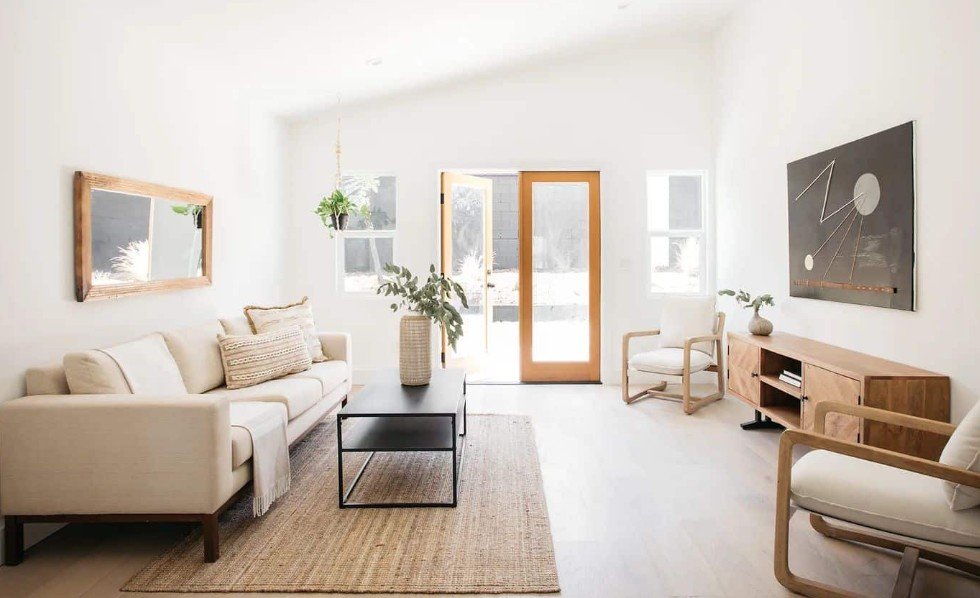

Life can easily become overwhelming with the constant influx of material possessions, digital distractions, and busy schedules. Minimalist living offers a path to clarity, calm, and a more intentional lifestyle. By consciously reducing excess and focusing on what truly matters, you can reclaim your time, energy, and mental well-being. Minimalism is not just about decluttering your home—it’s about creating a life that aligns with your values and priorities. In 2025, as life becomes increasingly fast-paced, embracing minimalist principles can offer both freedom and balance.
Understanding Minimalism: More Than Just Decluttering
Many people mistakenly equate minimalism with living with as few belongings as possible. While decluttering is a key component, minimalism is more about intentionality and mindful living. It encourages individuals to evaluate their possessions, commitments, and habits, and remove anything that does not add value or bring joy.
Minimalist living emphasizes quality over quantity. Instead of owning dozens of items, the focus is on having a few high-quality possessions that serve a purpose and bring satisfaction. This principle applies not only to physical belongings but also to digital spaces, work commitments, and even social interactions.
Decluttering Your Physical Space
The first step in simplifying life is decluttering your physical environment. A cluttered space often leads to a cluttered mind, making it harder to focus and relax. Start by assessing each room in your home and asking yourself which items are truly necessary or meaningful.
Practical strategies include the “one-year rule”: if you haven’t used or worn an item in the past year, it may be time to donate or discard it. Organizing belongings into categories such as “keep,” “donate,” and “discard” can help streamline the process. Minimalist living encourages functional and aesthetically pleasing spaces, where each item has a purpose.
Simplifying Digital Life
Digital clutter is a modern challenge often overlooked in discussions about minimalism. Excessive apps, emails, notifications, and social media can create mental noise and distract from meaningful activities. In 2025, digital minimalism is becoming increasingly important.
Begin by unsubscribing from unnecessary email lists, deleting unused apps, and organizing digital files into clear folders. Consider limiting social media usage or setting specific times for checking notifications. Tools like focus apps or website blockers can help reduce digital distractions and allow you to spend more time on activities that truly matter.
Streamlining Daily Routines
Minimalist living also involves simplifying daily routines to reduce stress and increase efficiency. Evaluate your schedule and identify tasks that are essential versus those that are optional or distracting.
For example, consider adopting a simplified morning routine with only the essentials: a quick stretch, breakfast, and a brief planning session for the day. Automate repetitive tasks when possible, such as bill payments or grocery orders, to free up mental space. The goal is to create routines that support your well-being rather than overwhelm you with unnecessary complexity.
Financial Minimalism: Spending with Purpose
Financial freedom is closely linked to minimalist living. By reducing unnecessary expenses and focusing on mindful spending, you can save money and reduce stress. Start by tracking your expenses and identifying areas where spending does not align with your priorities.
Adopting a minimalist approach to shopping means asking whether a purchase adds value to your life or merely satisfies a temporary urge. Investing in quality items that last longer rather than cheap, disposable goods also aligns with sustainable living principles, saving money in the long term.
Prioritizing Meaningful Relationships
Minimalism is not limited to material possessions; it also extends to relationships. Maintaining meaningful connections rather than trying to keep up with every acquaintance can enhance emotional well-being.
Evaluate your social interactions and focus on relationships that bring positivity, support, and growth. It is okay to distance yourself from toxic or draining connections. By prioritizing quality over quantity in your relationships, you can cultivate a supportive network that aligns with your values.
Mindfulness and Mental Clarity
A core aspect of minimalist living is mindfulness. Reducing clutter, commitments, and distractions creates space for mental clarity and self-reflection. Practices such as meditation, journaling, or simply taking quiet walks can help cultivate awareness and intentionality in daily life.
Minimalist living encourages slowing down, savoring experiences, and appreciating the present moment. This mindful approach helps reduce anxiety and fosters a sense of fulfillment, shifting focus from accumulating more to enjoying what already exists.
Embracing Experiences Over Possessions
Minimalism often emphasizes experiences over material possessions. Travel, learning, creative projects, or time spent with loved ones provide lasting memories and personal growth, unlike material goods that can lose value or significance over time.
In 2025, as consumer culture continues to push for more, focusing on meaningful experiences can help individuals live a richer, more satisfying life. By investing in experiences, you cultivate joy, connection, and growth that aligns with minimalist principles.
Conclusion
Minimalist living is a conscious choice to simplify life, reduce distractions, and focus on what truly matters. From decluttering physical spaces and digital environments to streamlining routines, finances, and relationships, minimalism provides a pathway to clarity, freedom, and well-being.
By embracing mindful consumption, prioritizing experiences, and cultivating intentional habits, you can create a balanced lifestyle that nurtures both your mental and physical health. In 2025, as life becomes increasingly fast-paced, adopting minimalist principles offers a practical and rewarding approach to living a purposeful, stress-free life.
Simplifying your life does not mean giving up comfort or joy; it means making room for what genuinely matters, allowing you to thrive with less and experience more. Minimalist living is not just a trend—it is a transformative approach to life that empowers individuals to live with intention, clarity, and fulfillment.
