
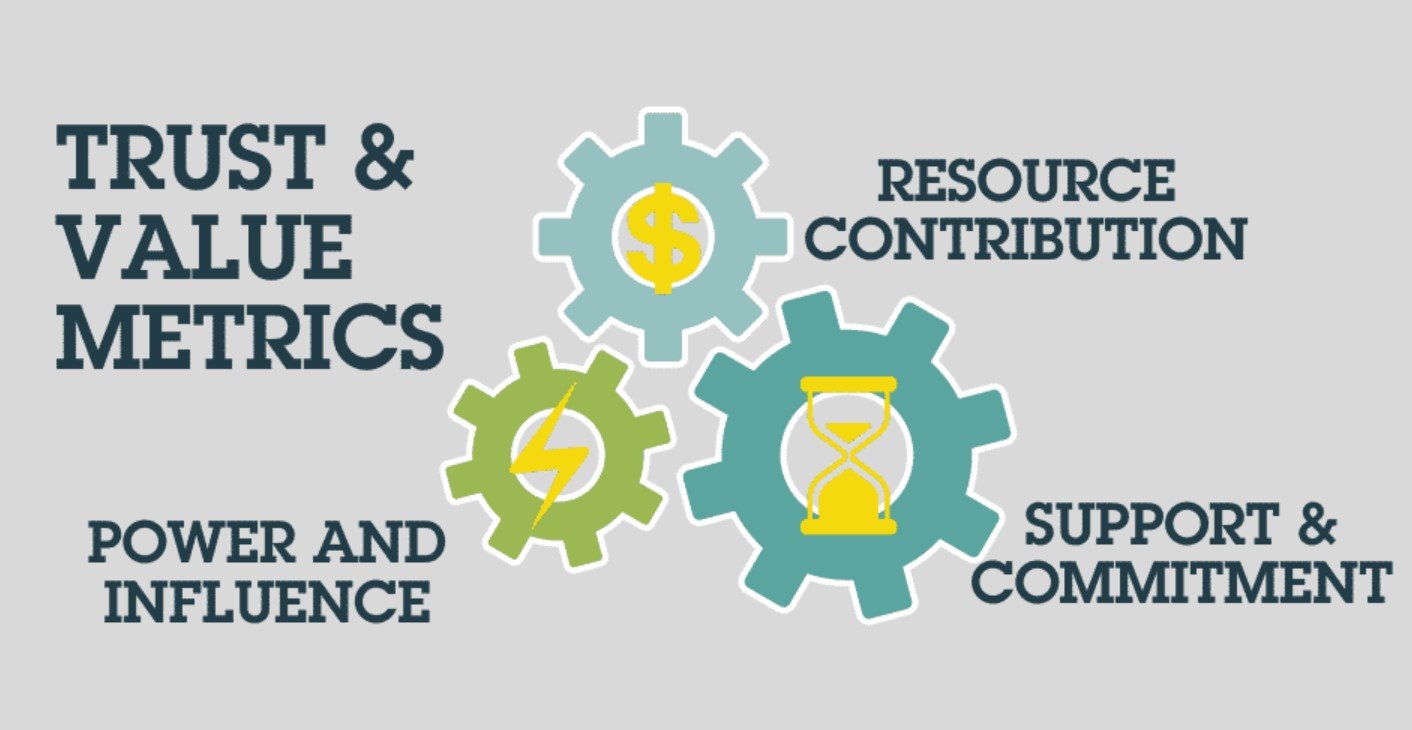

In many organizations, data is presented as an objective truth. Dashboards, charts, and reports flow through screens every day. Yet, decisions still get challenged, delayed, or overridden by intuition. This is because the real currency of data-driven decision-making is not data itself, but trust. Trust determines whether insights turn into action, whether teams align, and whether strategies follow evidence rather than instinct.
Those learning through a data analyst course in Bangalore often discover that data maturity is not just technical. It is cultural. And trust, though intangible, can be observed, measured, and strengthened.
The Bridge Metaphor: Data as Structure, Trust as the Foundation
Think of a bridge. Steel beams, concrete, and cables form the visible architecture. But the true strength lies in what cannot be seen: the foundation beneath the surface. If the foundation is weak, even the strongest materials fail.
Data is the structure. Trust is the foundation.
An organization may have advanced analytics tools and detailed reports, but if people do not believe the data or the processes behind it, decisions remain hesitant. Leaders ask for more verification. Teams revert to experience-based judgment. Progress slows.
Measuring trust means examining the ground beneath the bridge, not just the visible structure above.
Signal 1: The Confidence Behind Decisions
One of the clearest indicators of trust is the speed and clarity with which decisions are made. When people trust the data:
- They act with confidence
- They spend less time debating reports
- They do not ask for repeated analysis or validation
- They use insights to guide change rather than justify it
When trust is low:
- Meetings circle around the same questions
- People rely on intuition more than evidence
- Teams prefer familiar methods, even if outdated
Decision confidence can be measured by observing how frequently teams make proactive choices instead of reactive responses.
Signal 2: The Willingness to Share Insights
In environments where trust in data is strong, insights flow freely. People forward reports, annotate dashboards, and spark discussion. The data becomes a common language. When trust is weak, data becomes guarded or is seen as politically risky to reference.
This can show up in questions such as:
- How often do team members use data to support suggestions?
- Do people mention data in conversations without being asked to?
- Are insights shared across departments, or do they stay within silos?
Communication patterns reveal trust more accurately than survey responses. The louder the silence around data, the weaker the trust.
Signal 3: The Openness to Question Assumptions
Trust does not mean blind acceptance. In fact, high-trust environments encourage questioning. When employees trust the data process, they feel safe to ask:
- Why does this pattern appear?
- What factors influence this result?
- How should we interpret changes over time?
In low-trust environments, questions sound different:
- Who made this report?
- Are we sure this source is accurate?
- Can we wait for more information before deciding?
One reflects curiosity. The other reflects doubt.
Trust is visible in how people challenge insights. Healthy challenge strengthens belief. Defensive challenge weakens it.
Signal 4: Adoption of Data-Driven Tools and Practices
If trust in data is high, usage patterns follow. Teams actively use dashboards. Leaders reference performance metrics regularly. Analysts are included early in strategic discussions, not just called in to justify decisions afterwards.
Usage indicators include:
- Frequency of login to BI platforms
- Depth of dashboard exploration rather than surface viewing
- Number of data discussions initiated without external prompting
Training environments, such as a data analyst course in Bangalore, teach that tool adoption is emotional as much as procedural. People adopt what they believe in.
Building Trust: Reliability, Transparency, and Relevance
Trust cannot be demanded. It must be earned.
Organizations build trust in data when:
- Data sources are transparent and documented
- Metrics are consistent over time
- Dashboards reduce complexity rather than overwhelm it
- Insights connect logically to real-world outcomes
Above all, data must feel relevant. If insights do not reflect operational reality, trust fractures. Data should speak the language of the business, not the language of tools.
Conclusion: Trust is the Real Engine of Data-Driven Success
Data alone cannot change organizations. People do.
Trust is the foundation that turns analysis into action and curiosity into innovation. It shapes how teams communicate, how leaders decide, and how strategies evolve. Whether one learns through professional experience or through a structured data analyst course in Bangalore, understanding and measuring trust is as essential as mastering any analytical technique.
The organizations that thrive are not the ones with the most data. They are the ones where people believe in the data enough to act on it. Trust is not soft. Trust is the metric that determines whether knowledge becomes progress.
