
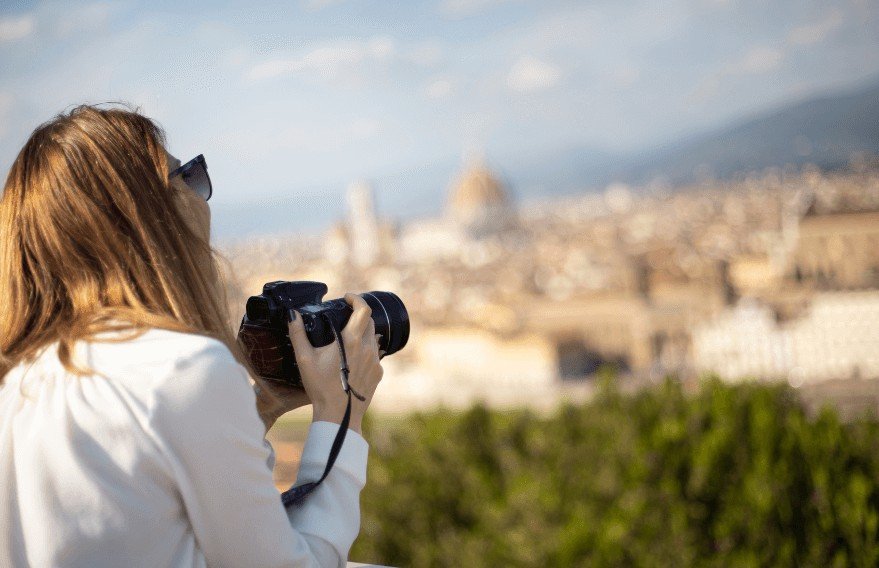

Traveling offers a treasure trove of experiences, from breathtaking landscapes to vibrant street life. For photography enthusiasts, every trip presents a unique opportunity to capture moments that tell a story. However, taking stunning travel photos requires more than pointing and shooting; it involves planning, creativity, and understanding the nuances of light, composition, and perspective. Whether you are a beginner or an experienced traveler, adopting certain techniques can elevate your photography and help preserve memories in vivid detail.
Understanding Natural Light
One of the fundamental aspects of travel photography is understanding natural light. Light can transform a mundane scene into a dramatic masterpiece. Photographers often prefer the “golden hours”—shortly after sunrise and before sunset—when sunlight is softer and warmer. During these times, landscapes glow with rich hues, and shadows add depth and texture. Conversely, mid-day sunlight can be harsh, causing overexposed highlights and deep shadows. By adjusting your shooting schedule to leverage natural light, you can create images that feel alive and immersive.
Mastering Composition
Composition is another key element in capturing compelling travel photos. Simple techniques such as the rule of thirds, leading lines, and framing can make a significant difference. Placing subjects off-center using the rule of thirds adds balance and interest, while leading lines—like roads, rivers, or pathways—guide the viewer’s eye through the image. Framing subjects through arches, windows, or natural elements can add depth and context, turning ordinary scenes into visually engaging photographs. Experimenting with different angles, such as shooting from a low or high perspective, can also reveal unique viewpoints often overlooked by the casual observer.
Capturing Local Culture and People
Capturing local culture and human interactions adds another layer of storytelling to travel photography. Portraits of locals, candid street scenes, or market interactions convey the essence of a destination beyond its landmarks. To do this respectfully, approach people politely, seek permission when necessary, and observe cultural sensitivities. Candid photography often works best when subjects are unaware of the camera, preserving the authenticity of the moment. Combining these human elements with scenic backgrounds creates photographs that resonate emotionally with viewers.
Choosing the Right Gear
The choice of gear can influence the outcome of your travel photography, though it does not always mean carrying the most expensive equipment. A versatile camera, whether a DSLR, mirrorless, or high-quality smartphone, is sufficient for most travelers. Lenses with variable focal lengths allow flexibility, from wide-angle shots of landscapes to telephoto captures of distant subjects. Lightweight tripods and stabilizers help achieve sharp images, especially in low-light conditions or for long exposure shots of waterfalls, rivers, or cityscapes at night. While gear matters, understanding how to maximize its capabilities is far more important than owning the latest model.
Post-Processing for Impact
Post-processing is a crucial step that often separates good travel photos from great ones. Software tools like Adobe Lightroom or free alternatives allow photographers to enhance colors, adjust exposure, and crop for better composition. Editing should be done thoughtfully; the goal is to enhance the natural beauty of the scene rather than alter it entirely. Subtle adjustments can make images more vibrant and polished while maintaining authenticity, preserving the story behind each shot.
Preparation and Research
Preparation and research can improve travel photography outcomes. Knowing the best locations, weather conditions, and timing for sunrise or sunset can help plan shoots effectively. Local guides, photography forums, or travel blogs often provide insights into hidden spots and seasonal events that can yield unique shots. Being prepared reduces stress during travel and allows photographers to focus on creativity rather than logistics.
Patience and Observation
Cultivating a mindset of patience and observation is invaluable. Often, the most captivating shots are not instantaneous; they require waiting for the perfect light, the right subject, or the ideal moment. Travel photography encourages mindfulness—paying attention to details, noticing patterns, and anticipating events. Developing this awareness not only improves your photographs but also enhances your travel experience, as you engage more deeply with your surroundings.
Exploring Different Genres
Experimenting with different genres within travel photography can diversify your portfolio. Landscape photography, urban exploration, wildlife, architecture, and street photography each offer unique challenges and opportunities. Mixing genres in your travel documentation keeps your work dynamic and allows you to explore creative expressions in various contexts. Over time, this experimentation helps identify your signature style, making your photographs instantly recognizable and memorable.
Sharing and Preserving Your Work
Sharing and preserving your work is an essential part of travel photography. Platforms like Instagram, personal blogs, or photography communities allow you to showcase your images and receive constructive feedback. Properly backing up your photos ensures they are safe from loss due to device failure or accidental deletion. Maintaining a portfolio, whether digital or printed, not only documents your journeys but also tracks your growth as a photographer over time.
Conclusion
Capturing stunning travel photographs requires a balance of technical skills, creativity, and awareness. Mastering light, composition, and human storytelling, while leveraging suitable gear and post-processing, enhances the quality and impact of your images. Preparation, patience, and experimentation allow you to capture moments that are both visually compelling and emotionally resonant. Travel photography is more than a hobby; it is a way to connect with places, cultures, and experiences in a meaningful way. By following these tips, you can transform your travel adventures into a collection of timeless memories that tell stories far beyond what words can convey.
